

There's a reason we ask what happened and how long ago, every time something stained comes across the counter: the first sixty seconds after a stain happens generally decide more about the outcome than anything we can do with a machine later. Not because a minute makes a chemical difference on its own, but because that's the window in which people make the mistakes that turn a treatable stain into a permanent one — grabbing a napkin and scrubbing, running it under the hot tap out of instinct, or deciding to deal with it later and letting it sit through a full day.
This is meant as a genuinely practical, stain-by-stain reference for that first minute, not a substitute for bringing the garment in. For nearly everything on this list, the actual removal — the part that gets the stain fully out rather than just less visible — still happens here, with the right products and process for the specific fabric.
Red wine
Do: blot immediately with a clean cloth or paper towel, working from the outer edge of the stain inward so you don't spread it. If you're at a table, a light coating of table salt keeps it from spreading further while you finish the meal, but it isn't removing anything.
Don't: rub, and don't pour white wine, club soda, or any other folk remedy on top expecting a chemical fix — none of them actually lift the pigment, and adding more liquid just spreads the stain further into the weave.
Coffee and tea
Do: blot cold water onto the stain from the back if possible, pushing the coffee back out the way it came in rather than further through the fabric.
Don't: use hot water or a hair dryer to "dry it fast" — coffee and tea are loaded with tannin and sugar, both of which set hard and dark under heat, turning a treatable brown mark into a much more stubborn one.
Oil and grease
Do: blot up the excess by pressing straight down with a paper towel — don't drag it sideways. If you have cornstarch or baby powder on hand and it's food-grade oil (salad dressing, butter), a light dusting can absorb some surface oil while you get it to us, but treat this as optional, not essential.
Don't: add any water at all. Water and oil don't mix, and adding water just pushes the oil sideways into a wider ring rather than removing any of it.
Ink
Do: blot gently if the ink is still wet, and note what kind of pen it was and what the fabric is when you bring it in — that detail changes the approach meaningfully.
Don't: reach for rubbing alcohol or nail polish remover unless you're certain of the fiber content. Alcohol-based solvents can work well on some sturdy synthetics and permanently set or spread dye-based ink on silk and other delicate fibers. When you don't know the fabric, the safer move is to do nothing and bring it in.
Blood
Do: cold water only, and act within the hour if you can — a cold rinse or cold-water blot on fresh blood is genuinely effective on its own for many fabrics.
Don't: use warm or hot water, ever, on blood or any protein-based stain. Heat cooks the protein into the fiber structure almost immediately, and once that's happened, a stain that would have rinsed out in thirty seconds becomes a real job.
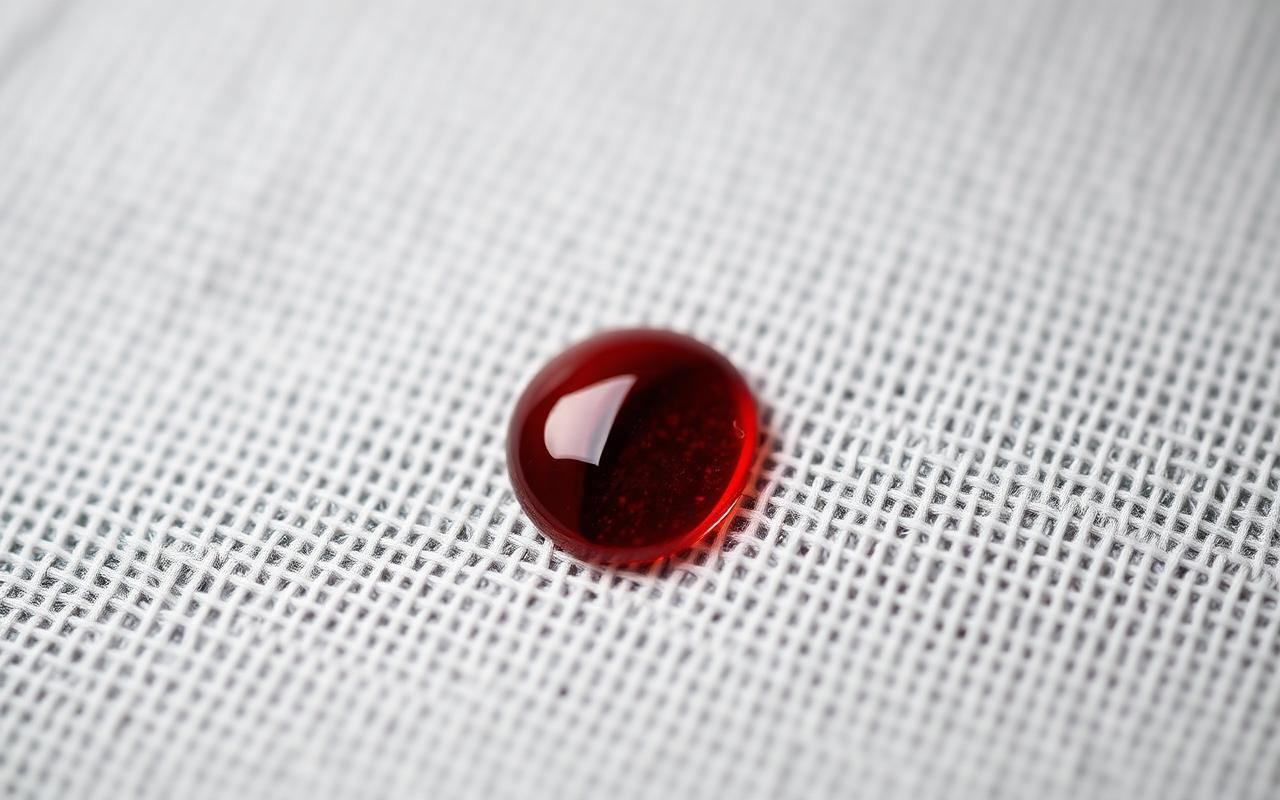
Sweat and deodorant
Do: let the garment air out fully before it goes in a hamper, and mention it to us if a particular garment has visible yellowing building at the underarms — that's a different, older problem than a fresh stain.
Don't: assume a regular hot wash at home clears it. The yellow discoloration is aluminum salts from antiperspirant chemically bonding with sweat protein over repeated wear, and heat from washing or drying can actually help set that bond rather than break it.
Grass
Do: blot the area dry if it's wet or muddy, and try to keep the stain from spreading before it's treated.
Don't: rub it, and don't assume cold water and time will lift it the way it does with tannin stains. Grass stains are plant pigment (chlorophyll) bound into the fiber and typically need enzyme-based treatment, which is not something most people have on hand at the moment it happens.
Makeup and foundation
Do: blot, and if it's on a collar or cuff, note that context — makeup transfer stains often sit differently than a direct spill.
Don't: reach for a home stain-removal pen on silk, wool, or anything you're unsure of. Most pens are formulated with surfactants meant for cotton and can leave a ring, a texture change, or a water spot on protein fibers.
Tomato and tomato-based sauce
Do: blot up any excess immediately and rinse briefly with cold water if the fabric can tolerate it, working from the back.
Don't: leave any home acid- or bleach-based stain remover sitting on colored fabric for an extended time — tomato's acidity combined with a strong home treatment can pull color out of some dyed fabrics along with the stain, leaving a lighter patch that's arguably worse than the original mark.
The pattern underneath all of these
If you look across all nine, the same three rules keep showing up: blot instead of rub, keep heat away from anything until it's been professionally treated, and don't apply a product you're not sure is right for the specific fabric in front of you. Cotton and sturdy synthetics forgive a lot of amateur experimentation. Silk, wool, and deeply dyed fabric generally don't, and that's exactly where a well-intentioned home fix most often does more damage than the original stain.
When none of the above feels confident — an unfamiliar stain, a fabric you're not sure about, or something that's already been sitting a while — the single best first-aid step is simply to stop, blot what's there without scrubbing, and bring it in with whatever detail you can remember about what caused it and when. That context is genuinely useful information for us, not a formality.