

Wash & fold is priced by weight, and once you understand that one fact, half of the habits that save you money become obvious. Water is heavy. A bath towel pulled straight from a hot dryer weighs a certain amount; the same towel left damp in a hamper for two days weighs noticeably more, and it doesn't clean any better for the wait — if anything it's more likely to pick up a mildew smell that then has to be washed out twice. Bag your laundry dry. If something is actually wet — swimwear straight from the pool, gym clothes from this morning, a tablecloth someone spilled a full glass of wine on — bag it separately with a note so it doesn't sit against dry clothes in transit and doesn't get charged the same way as the rest of the bag.
The other weight trap is stuff that shouldn't be in the bag at all: shoes, a stray water bottle, a phone charger tangled in a sheet. We fish those out, but every minute spent doing that is a minute not spent on the part of the job that actually matters, which is getting your stains treated correctly the first time.
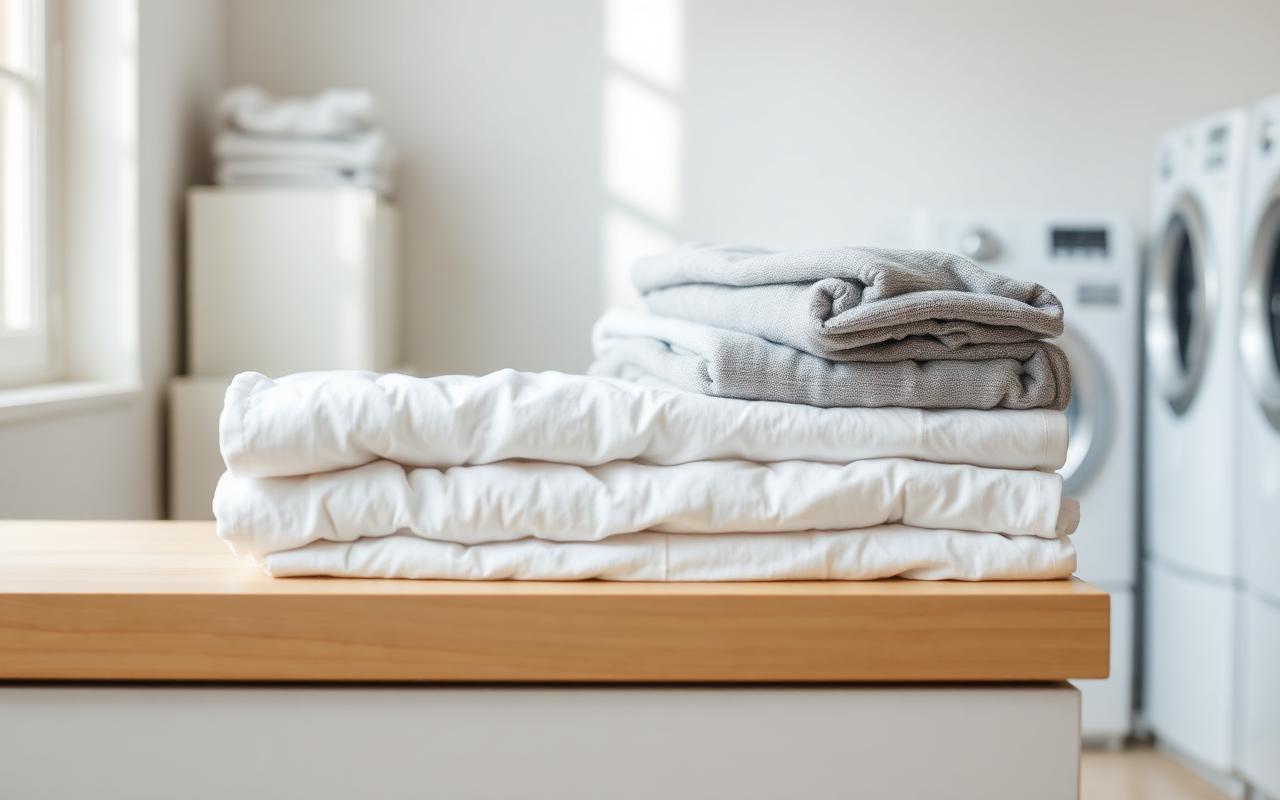
Tell us about stains, not everything else
The single most useful thing you can hand over with a bag of laundry is a short, specific note about anything visibly stained: what it probably is, and roughly how many days it's been sitting. Oil, protein (blood, sweat, egg, dairy), tannin (coffee, wine, tea) and dye stains all want a different first move at the machine level, and if we're guessing from a dried brown mark with no context, we sometimes guess wrong. A guess that goes the wrong way doesn't just fail to remove the stain — on some fabrics it can set it harder, the same way running the wrong home remedy would.
This matters more the older the stain is. A coffee spill from this morning is forgiving. A coffee spill that's been through a hot dryer cycle at home before it ever reached us is a genuinely different, much harder problem, because heat caramelizes the sugars in coffee and tea into the yarn. Please don't pre-treat with heat, ever, on anything you plan to bring to us — no ironing a stain to "dry it out," no running it through the dryer "just to see." Cold and untouched is always the safer state to hand something to us in.
Protein stains behave the same way in reverse: hot water sets blood, sweat and dairy stains almost immediately by cooking the protein into the fibre, which is why the old advice to rinse blood in cold water is correct and not folklore. If you're ever unsure whether something is protein, tannin, or oil-based, don't guess at home with hot water — just tell us what happened and let the studio pick the right approach.
Sorting: what actually matters and what doesn't
Home laundry folklore says sort by color, and that's still broadly right, but the more useful sort for weight-based service is by fabric weight and finish. Heavy items — jeans, towels, hoodies — absorb a lot of water and take longer to fully dry, and mixing them with a small load of delicates means either the delicates over-dry or the heavies come out damp. If you consistently send a mixed bag, ask about detergent and program options; a hypoallergenic or plant-based upgrade is worth it for anyone in the house with sensitive skin, and it's a small add-on rather than a full re-order.
New dark garments — especially anything cheaply dyed — should get one solo wash before they're mixed with your regular bag, whether that's at home or with us. Dye bleed in week one of a garment's life is common and has nothing to do with how it's laundered afterward; it's just excess dye working its way out.
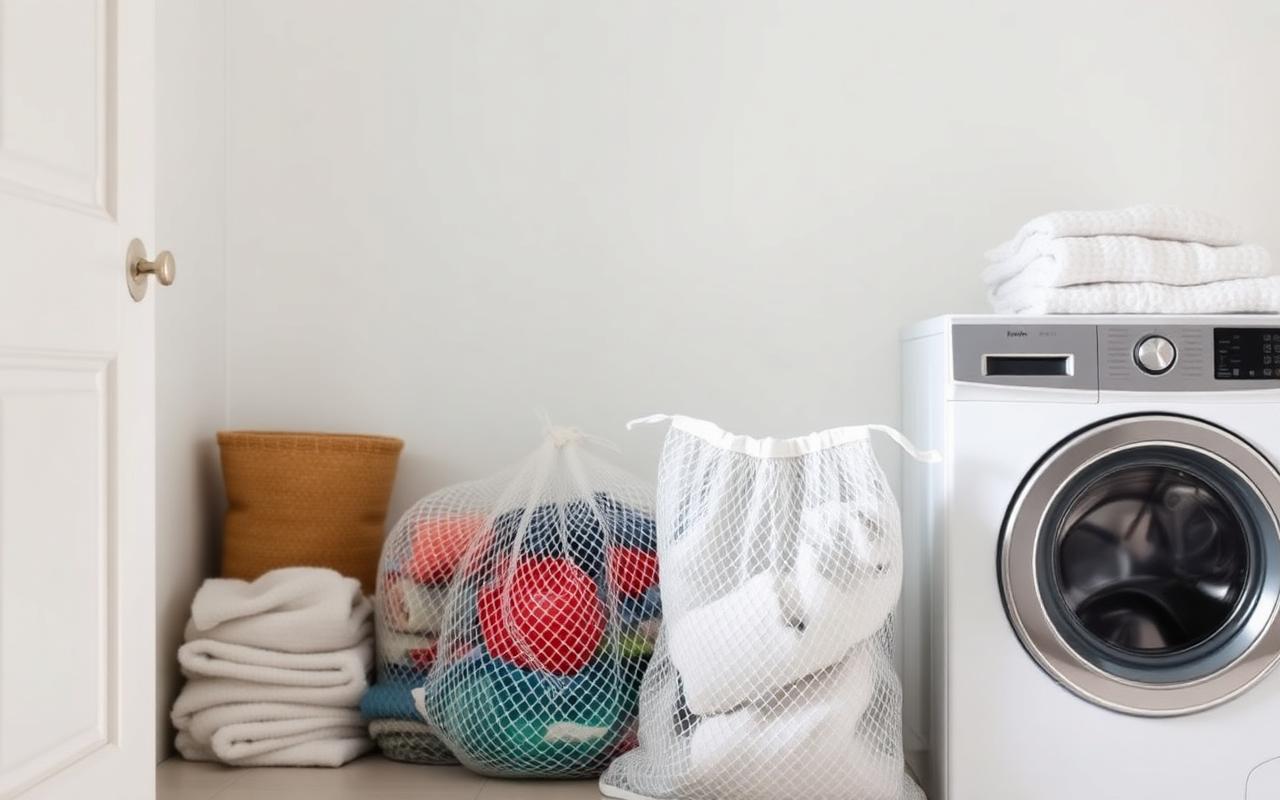
Bedding is a dryer problem, not a washer problem
This is the thing people misunderstand most about their own washing machines. A king comforter will often physically fit into a home washer's drum, especially a large one, which makes people assume it cleaned fine. What actually happens is the fill compresses under water weight, water channels around the compressed core instead of through it, and — more importantly — a home dryer usually cannot fully dry a king comforter in one cycle. The exterior feels dry. The interior fill, especially down or a thick synthetic batt, stays damp for days inside the shell. That's where the musty, mildew smell in "clean" bedding comes from: not dirt, moisture trapped where you can't see or feel it.
Large-capacity drying is the actual service you're buying when you send bedding out — full-cycle drying with genuine tumble room, not just a bigger washer. That's why bedding is quoted separately from your weekly wash & fold poundage rather than folded into the per-pound rate; see /comforter-and-bedding-cleaning-decatur for what that covers, and /pricing for current add-on pricing. Send duvet covers and inserts together so they run in the same cycle, and always mention if the fill is down — it runs on a gentler, longer program than synthetic fill.
A short pre-drop-off checklist
- Bag it dry — wet items get their own bag with a note.
- Pockets, shoes, chargers and stray items out before it goes in the bag.
- One line about any visible stain: what it is, how old, no home hot-water or dryer treatment first.
- New dark or cheaply dyed items washed solo once before mixing with the regular bag.
- Comforters and duvets sent as a set (cover + insert), with down fill flagged.